New research shows the Vikings were in Newfoundland exactly 1,000 years ago
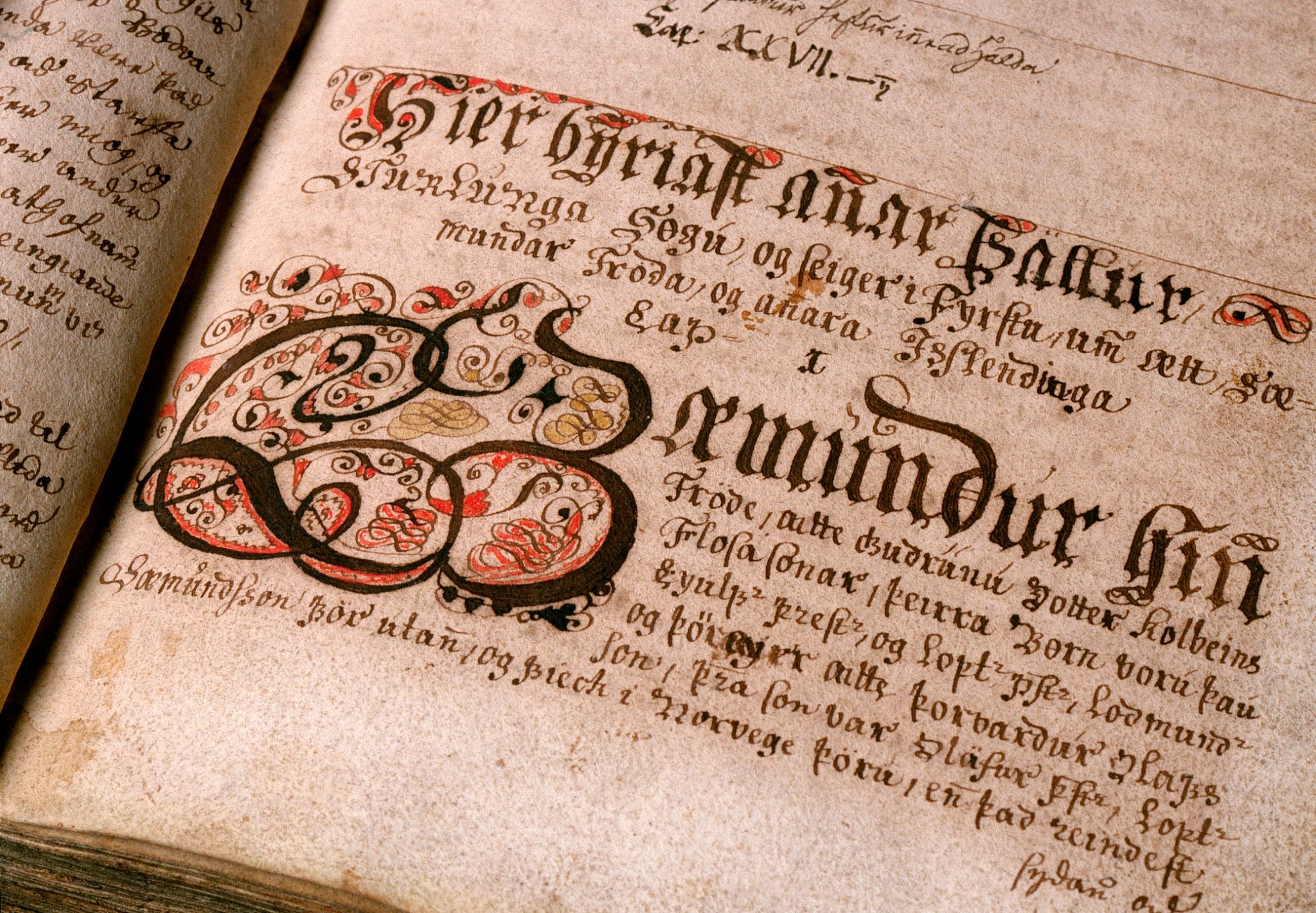
Two medieval Icelandic texts—the Saga of the Greenlanders and the Saga of Erik the Red, collectively known as the Vinland Sagas—tell the story of Norse voyages to a mysterious western land called Vinland. At the center of these legendary accounts is Leif Erikson, the explorer traditionally credited with leading the first European expedition to North America.
The Legend Meets the Dirt
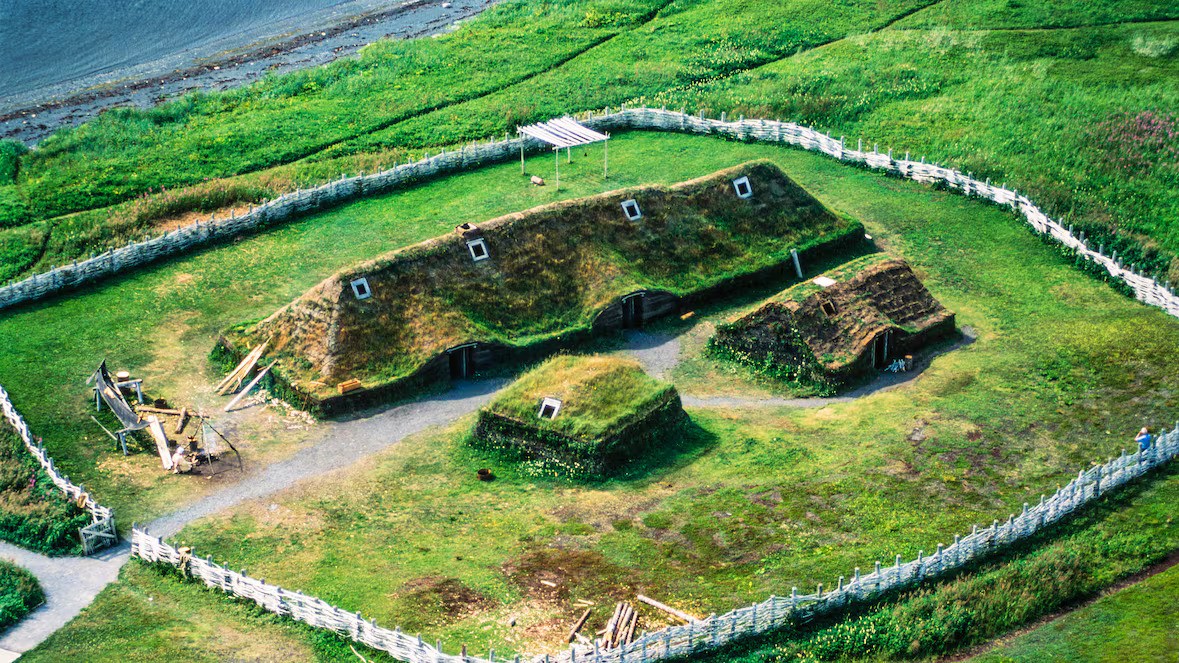
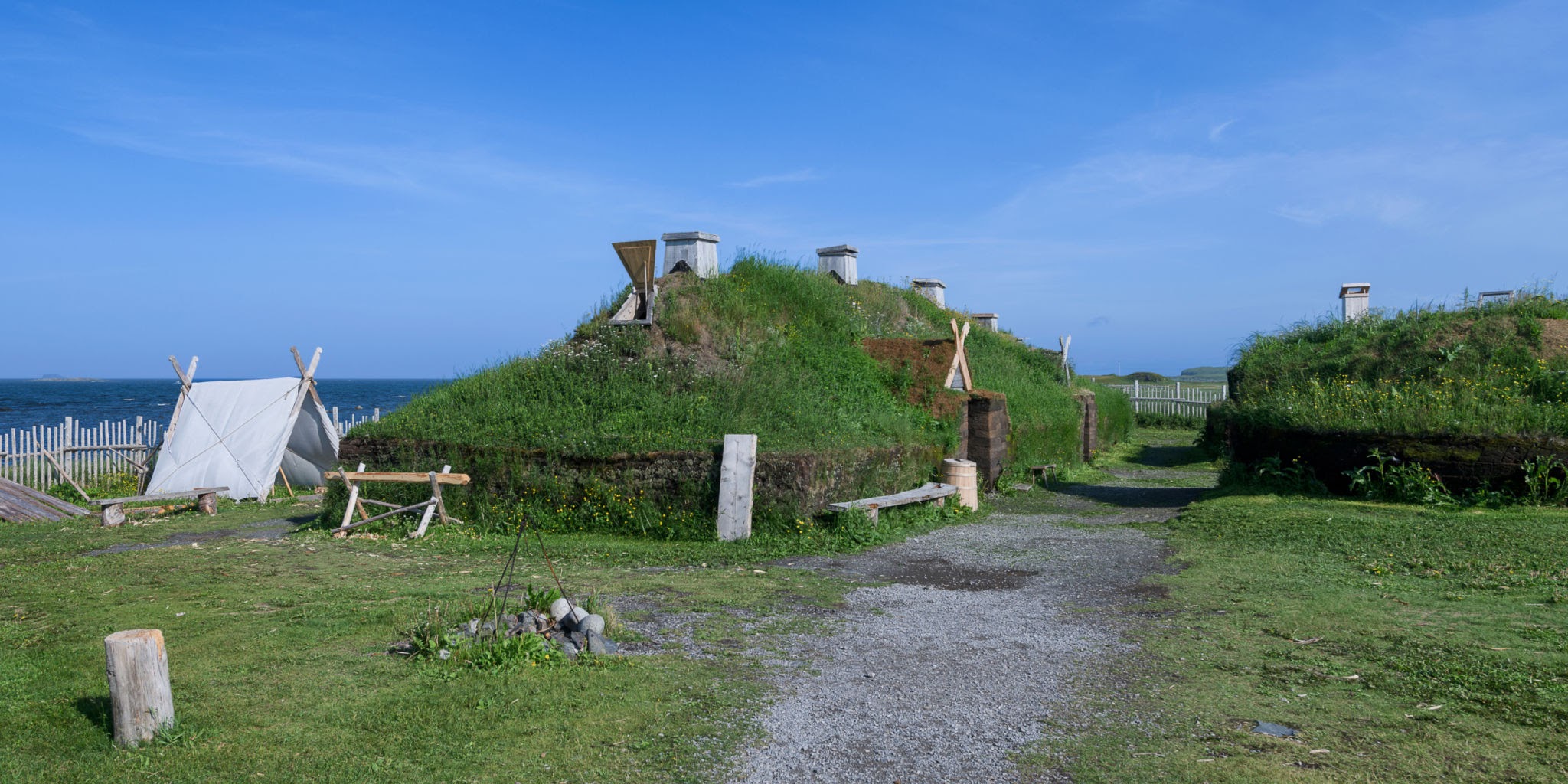
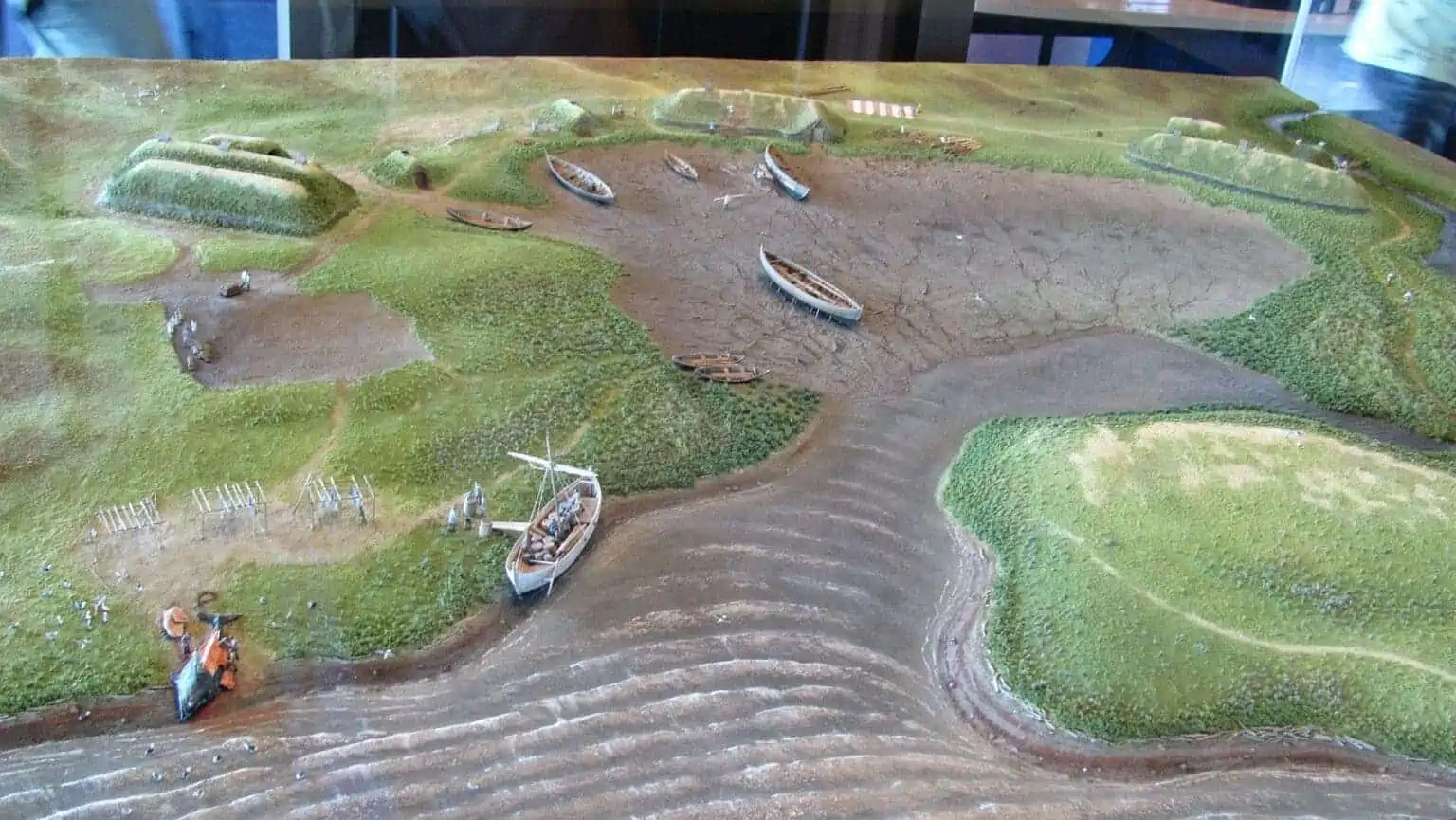
Centuries after the sagas were written, archaeologists unearthed a stunning discovery at L’Anse aux Meadows on the northern tip of Newfoundland. The site seemed to perfectly validate the ancient texts.
The settlement featured unmistakable Norse-style buildings, alongside a trove of Viking artifacts: iron nails, a bronze pin, and—most crucially—chunks of wood bearing cut marks from Viking metal axes. These tools were completely unknown to the indigenous populations living in the region at the time.
A Cold Case Cracked
The true breakthrough at L’Anse aux Meadows didn’t happen immediately upon discovery.
Birgitta Wallace, the lead archaeologist at the site, showed remarkable foresight: she took the excavated chunks of metal-chopped wood and froze them. For decades, those artifacts sat in a freezer, waiting for technology to catch up.
Recently, that patience paid off. Using a groundbreaking new cosmic-ray dating technique, scientists were finally able to analyze those frozen wood chunks, establishing an exact, undisputed timeline for the Norse arrival in North America: 1021 AD.
1021 CE: the year the Norse arrived in North America
For decades, archaeologists knew the Norse had reached North America around the turn of the first millennium. The archaeological evidence at L’Anse aux Meadows—a UNESCO World Heritage site in Newfoundland, Canada—was undeniable. But conventional radiocarbon dating was simply too broad to isolate a single calendar year of occupation.
Then came a breakthrough from an entirely unexpected field: cosmic-ray physics.
The Solar Storm Signature
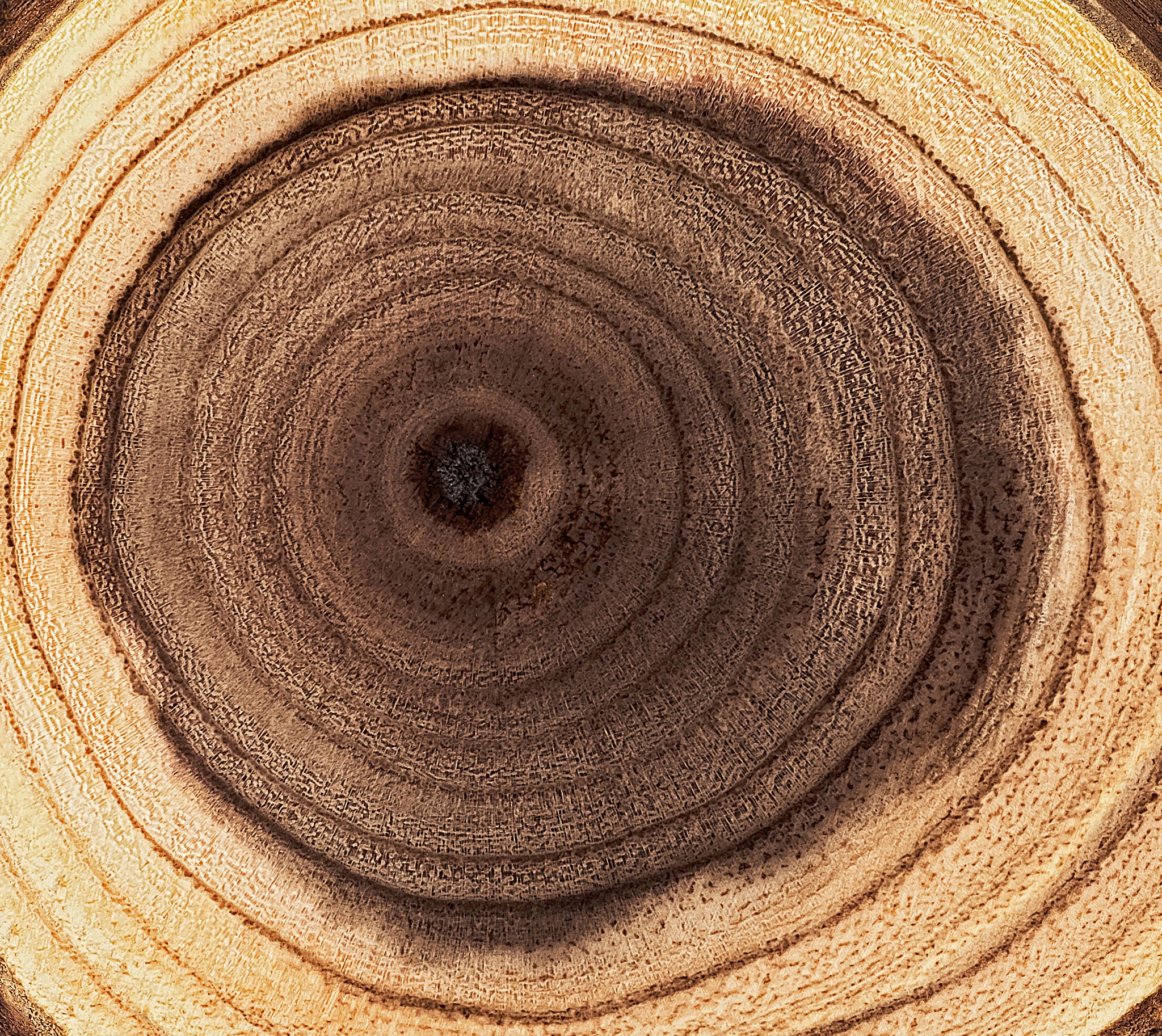
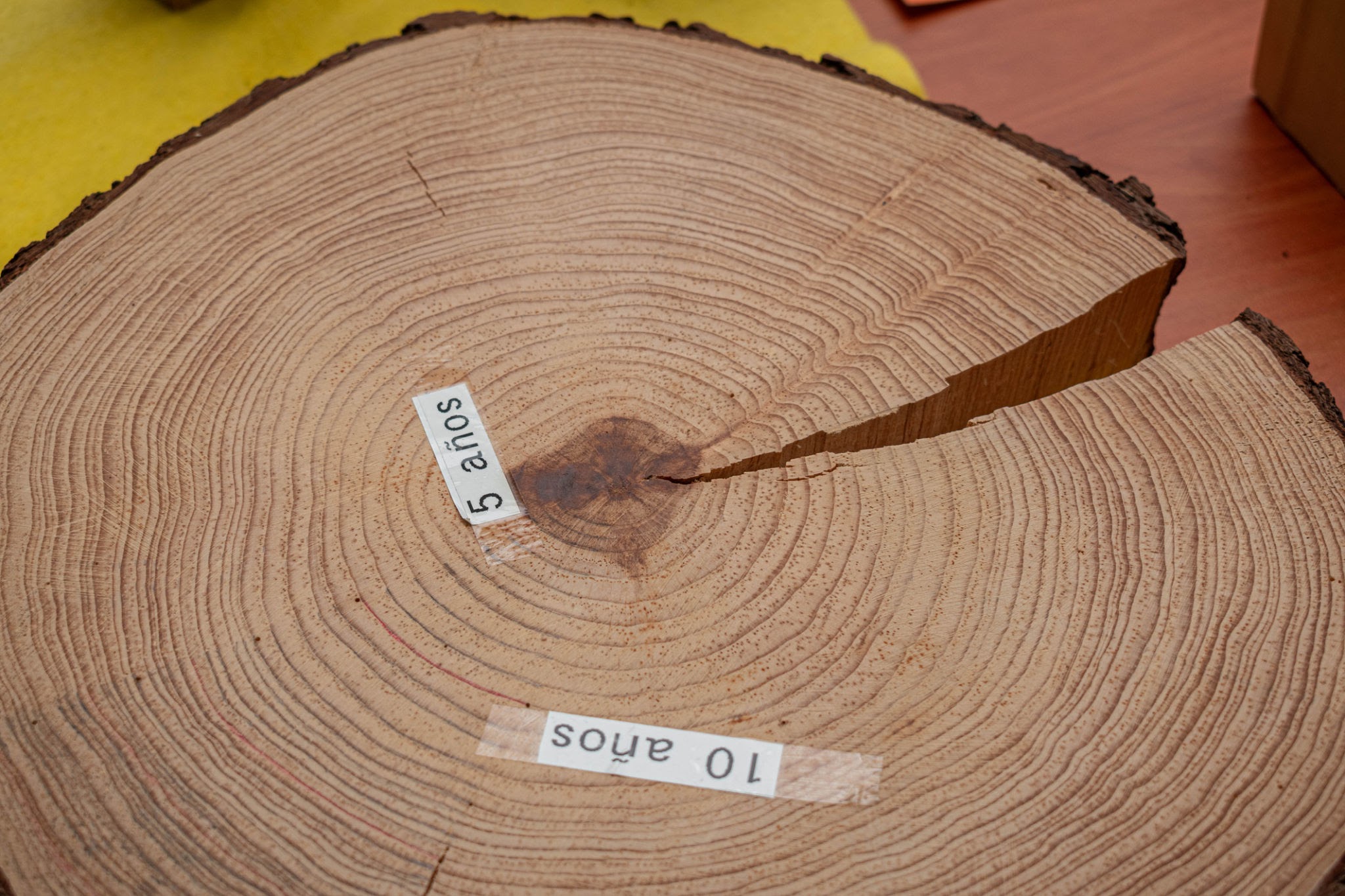
In 2012, physicist Fusa Miyake discovered an abrupt, massive spike of carbon-14 trapped within tree rings dating back to 774–775 CE. Shortly after, scientists identified another massive spike dating exactly to 993 CE.
These sudden surges, now known as Miyake events, are believed to be caused by extreme solar storms that blasted Earth with energetic particles. Because trees absorb carbon from the atmosphere as they grow, these global solar events left a permanent, highly distinctive chemical signature in the growth rings of every tree alive at the time.
Counting the Rings
This cosmic signature gave archaeologists the ultimate, indisputable reference point. If researchers find a wooden artifact—like a timber beam from a Viking settlement—they can date it precisely using this method:
-
Find the Spike: Analyze the wood to locate the unique radiocarbon pattern of the 993 CE Miyake event.
-
Check the Edge: Ensure the piece of wood still has its outer growth surface (the bark edge) preserved.
-
Count to the Bark: By starting at the 993 CE ring and counting the subsequent growth rings outward to the very edge, scientists can determine the exact calendar year the tree died.
By applying this exact technique to wood excavated from L’Anse aux Meadows, researchers proved conclusively that the Norse were felling trees in North America in exactly 1021 CE.
The “Cosmic Clock” That Cracked the Case
The breakthrough at L’Anse aux Meadows relied on a revolutionary archaeological tool known as the Miyake method. Named after the scientist who discovered it, this technique uses extreme solar storms as ancient timekeepers.
When a massive solar storm hits Earth, it causes a global spike in atmospheric radioactive carbon, which gets permanently recorded in the growth rings of living trees. The science behind this “cosmic clock” is only getting stronger—in late 2023, researchers even identified a massive Miyake event dating back 14,300 years, proving just how reliable these solar signatures are for pinpointing historical dates.
The Investigation at L’Anse aux Meadows
To determine exactly when the Norse arrived, a research team led by Margot Kuitems and Michael Dee analyzed four wooden objects excavated from the site. Their process was incredibly precise:
-
They took 127 radiocarbon measurements across 83 individual tree rings.
-
One object had only nine rings and missed the crucial 993 AD solar anomaly, meaning it couldn’t be definitively dated.
-
The other three objects—all from different conifer trees—contained both the 993 AD cosmic marker and their outermost growth edge (the bark layer), allowing researchers to count the exact years until the tree died.
The Verdict: 1021 CE
For all three of those remaining trees, statistical analysis pointed to a single optimal felling year: 1021 CE. While some nearby years passed secondary statistical tests, 1021 remained the absolute best fit in every single case.
Debunking the Driftwood Theory: Skeptics might wonder if the Norse simply scavenged old driftwood that had washed ashore. Researchers rule this out for two reasons. First, the outer growth surface was still intact on these pieces—something that water transport would have almost certainly stripped away. Second, fresh timber was abundant in the area. The odds of the Vikings independently scavenging three separate pieces of wood that all carried the exact same “inbuilt age” are virtually zero.
Ultimately, the wood tells a clear story: Norse explorers were actively harvesting fresh timber at L’Anse aux Meadows in 1021 CE. While this definitively plants them in the Americas 471 years before Columbus, the researchers note that 1021 is just a single data point. How this exact year fits into the broader timeline of Viking exploration—and whether they actually arrived even earlier—remains an open question for future archaeologists to solve.
The “Cosmic Clock” Caveat
While the Miyake method is revolutionary, recent science has added a crucial asterisk to the timeline. A 2026 study revealed that we cannot treat tree rings as perfect, instantaneous recording devices.
The issue lies in biology. Trees do not all absorb atmospheric carbon-14 uniformly. A sudden carbon spike from a solar storm can actually be “blurred” across multiple growth rings due to several natural factors:
-
Photosynthesis timing: Different trees absorb carbon at different rates throughout the year.
-
Wood growth: Seasonal variations can stretch or compress how the carbon is laid down.
-
Carbohydrate recycling: Trees often reuse stored energy from previous years, mixing older carbon with new.
This blurring effect is most pronounced in deciduous trees, but researchers found that evergreen conifers—the exact type of wood excavated at L’Anse aux Meadows—can also exhibit some signal carryover.
The 1021 Timeline Stands: Despite this biological margin of error, the overarching conclusion of the archaeological data remains intact. By 1021 CE, Norse explorers were actively harvesting wood and building structures in North America.
While this biological “blur” means they might have arrived slightly earlier than the rings suggest, or perhaps at a different undiscovered site first, one historical fact is undeniable: the Vikings established a foothold in the Americas a thousand years ago.
Beyond the Raider Myth: A Global Network
The ability to pinpoint the exact year a Viking axe struck wood in North America—using a cosmic solar flare, no less—is a staggering archaeological achievement. But the dating of the L’Anse aux Meadows settlement to 1021 CE does more than just prove the Norse beat Columbus across the Atlantic by four centuries; it fundamentally rewrites our understanding of who the Vikings were.
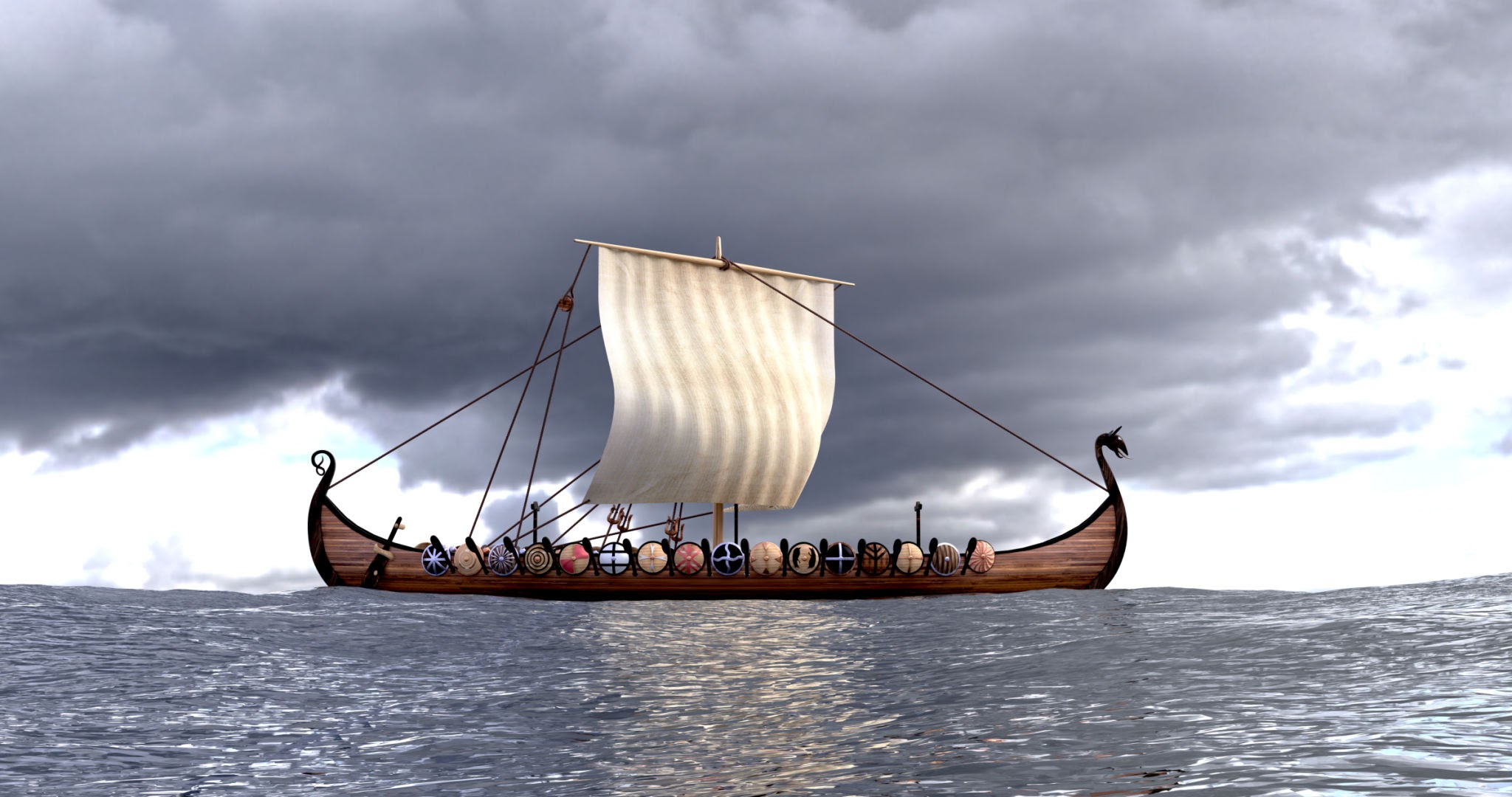
Far from the popular myth of simple, bloodthirsty raiders, the Norse were master maritime architects, sophisticated navigators, and operators of a massive intercontinental trade network.
Expanding the Map
L’Anse aux Meadows may just be the tip of the iceberg. As of 2024 and 2025, archaeologists have begun deploying high-resolution satellite imagery to scan the rugged coastlines of Newfoundland and Labrador. They are hunting for the tell-tale structural footprints of other short-term Norse outposts that traditional ground-level archaeology might have missed.
We also know their ambitions reached far beyond North America. A groundbreaking 2024 study analyzing ancient walrus-ivory trade routes revealed just how deep into the High Arctic the Vikings ventured.
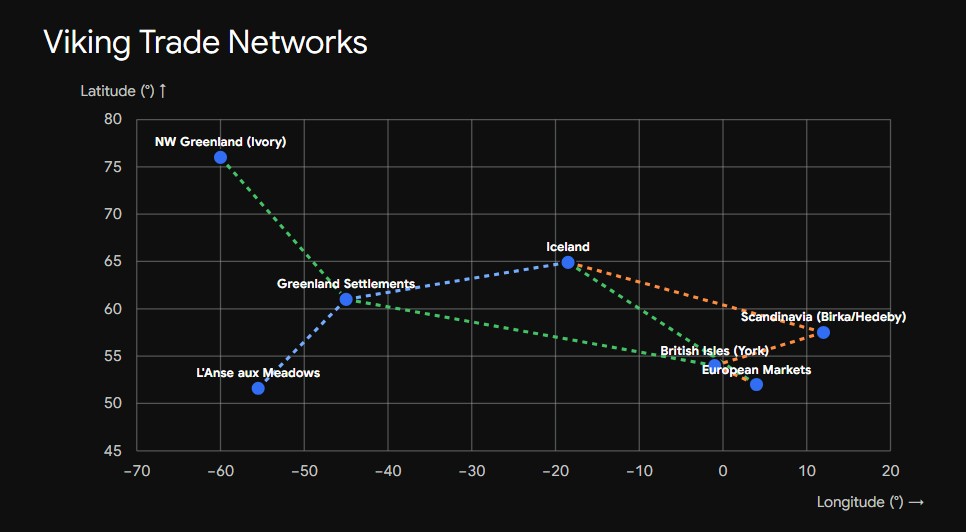
The Arctic Connection: Using DNA analysis, researchers traced walrus skull fragments found in European markets all the way back to remote Northwest Greenland.
This proves the Vikings weren’t just isolated explorers stumbling onto new shores. They were actively engaging with Indigenous Arctic populations and trading with Native Americans—though historical accounts note those relations were often tense and occasionally violent.
Ultimately, the mounting evidence paints a clear picture: through a combination of brilliant shipbuilding, resource acquisition, and sheer navigational courage, the Vikings were the definitive original European discoverers of the Americas.